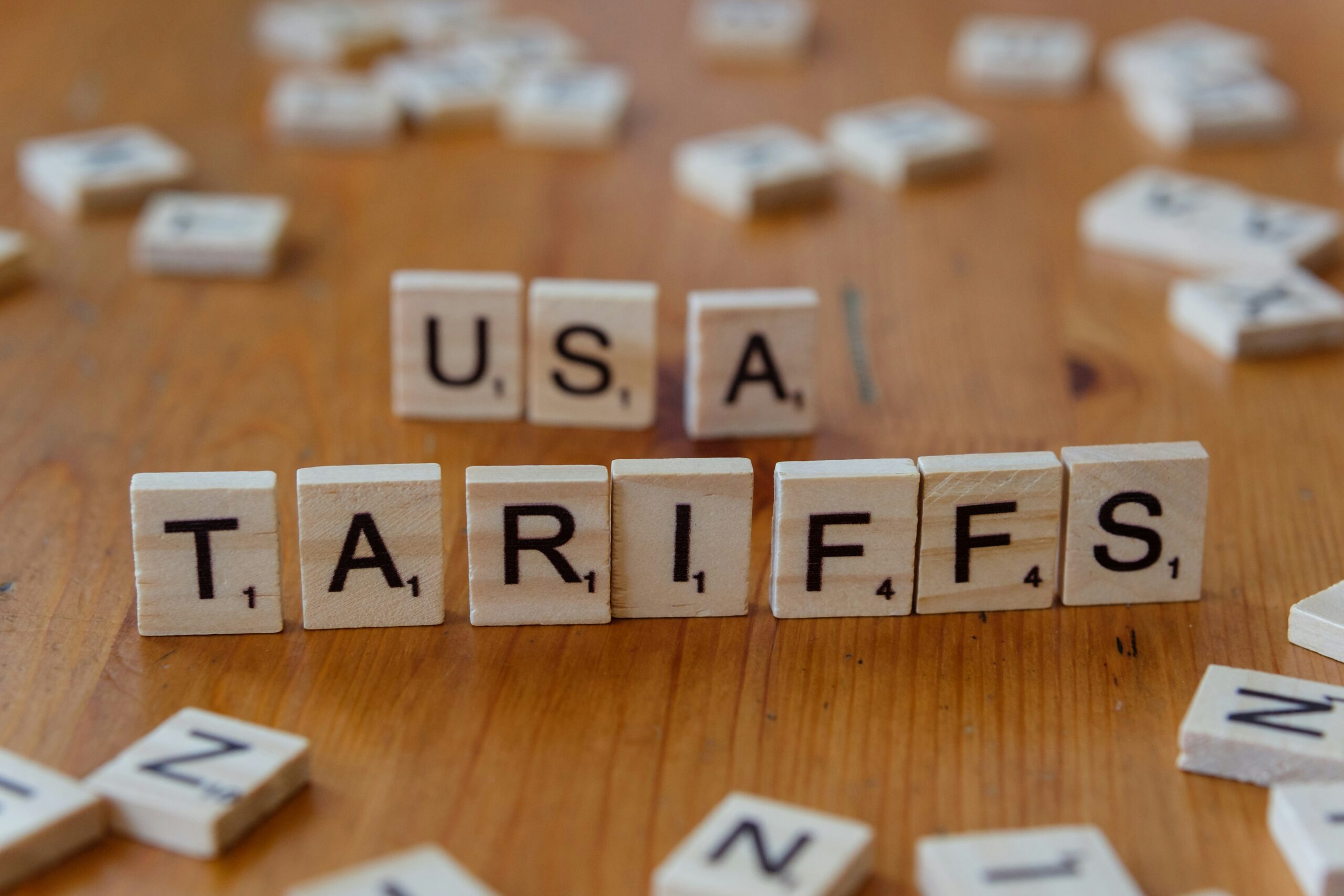
Are you a nervous investor? There are many reasons that could be the case.
The goal of this column is to use the current stressful world environment as a learning opportunity for investors. History shows that when investors are nervous, excessive stock market volatility can result. Large single-day losses do happen.
As an exercise, consider that you are a pilot and right now you are flying an airplane. The skies are clear, and visibility is good, then suddenly you enter extreme cloudy conditions and visibility vanishes.
A natural reaction could be instant panic. Investors might feel this during volatile times. But pilots train extensively, including hours in simulators running through dangerous situations.
Pilots know visibility can be lost. When that happens, you instantly rely on instruments to navigate. Expect poor visibility when you fly, just as you should expect market volatility when investing.
Pilots are trained to handle stress calmly. Investors are not, so panic and mistakes are understandable.
Peter Watson, of Watson Investments MBA, CFP®, R.F.P., CIM®, FCSI offers a weekly financial planning column, Dollars & Sense. He can be contacted through www.watsoninvestments.com.